Category: Movie

  • Know About “Mutiny” 2026 Movie Filming Locations

    Know About “Mutiny” 2026 Movie Filming Locations

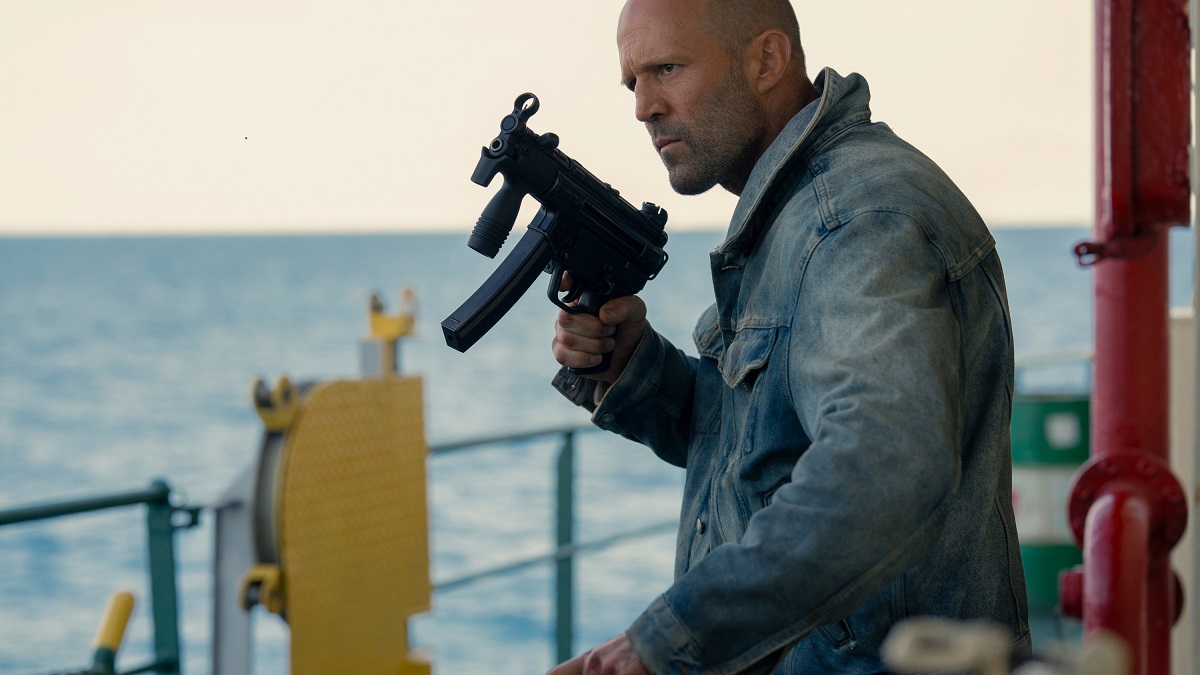
    Action cinema fans, brace yourselves. If there is one name in Hollywood synonymous with high-octane thrills, bone-crunching hand-to-hand combat, and relentless momentum, it is undoubtedly Jason Statham. In the highly anticipated 2026 action-thriller ‘Mutiny’, Statham returns to the silver screen to do exactly what he does best—dismantle a massive, heavily armed criminal conspiracy single-handedly.

    Directed by the visionary Jean-François Richet (the mastermind who delivered the claustrophobic and surprisingly excellent Gerard Butler hit Plane) and produced by Statham’s own Punch Palace Productions alongside MadRiver Pictures, ‘Mutiny’ is shaping up to be the most explosive blockbuster of the summer season. Scheduled to hit theaters worldwide on August 21, 2026, this cinematic juggernaut promises a perfect storm of maritime chaos, international political intrigue, and Statham’s signature gritty, no-holds-barred combat style.

    But beyond the flying bullets, the massive explosions, and the intense boat chases, fans are eager to know how this massive production came to life. Where was it filmed? How did they manage to create the expansive, isolated cargo ship sequences? Let’s take a deep dive into the adrenaline-fueled plot, the rigorous production timeline, and the stunning real-world filming locations that set the perfect stage for the carnage of ‘Mutiny’.

    The Core Concept: Framed, Hunted, and Unleashed on the High Seas

    To truly understand the massive scale of ‘Mutiny’, you first have to grasp the intense narrative that drives the action forward. The film follows the harrowing journey of Cole Reed (played with stoic intensity by Jason Statham). Reed is a highly lethal former Special Forces operative and a disgraced ex-NYPD cop who has left his government and law enforcement days behind. Seeking a quieter but highly lucrative life, Reed takes on a private security job acting as the personal bodyguard for a powerful, secretive billionaire industrialist.


    View this post on Instagram


    A post shared by Jason Statham (@jasonstatham)

    The plot kicks into absolute overdrive when Reed’s boss is brutally assassinated right in front of his eyes. Before he can even process the murder or secure the area, the crime scene is heavily manipulated, and Reed is masterfully framed for the assassination. Overnight, his reputation is completely destroyed, and he becomes the primary target of a massive international manhunt, with both corrupt law enforcement agencies and highly trained lethal assassins closing in on his position.

    With his back pressed firmly against the wall, Reed manages to evade immediate capture and covertly boards a colossal commercial cargo ship out in the middle of the ocean. What starts as a desperate attempt to flee the authorities quickly transforms into a calculated, one-man crusade for bloody vengeance. As Reed violently dismantles the mercenary forces pursuing him across the vessel, he rips open a dark international conspiracy that ties his former boss directly into a sprawling global human trafficking network. The cargo ship essentially becomes a floating steel cage of pure chaos, setting the stage for some of the most claustrophobic, brutal, and inventive action sequences in recent cinematic history.

    A Powerhouse Cast and a Visionary Creative Team

    While Jason Statham is undeniably the main attraction of the film, ‘Mutiny’ boasts a stellar ensemble cast that brings emotional depth and severe menace to the conspiracy. The film features the incredibly talented Annabelle Wallis (best known for her standout work in Peaky Blinders), who brings her fierce screen presence to the narrative. The ruthless main antagonist of the film, Marko Madsen, is played by the physically imposing Roland Møller, ensuring that Statham has an adversary who can match him blow for blow. The talented cast is beautifully rounded out by Jason Wong as Taran, alongside Adrian Lester and Arnas Fedaravičius.

    Behind the camera, the tightly wound script was penned by the dynamic screenwriting duo of Lindsay Michel and J.P. Davis. Given their proven ability to craft intense, fast-paced thrillers in highly isolated environments, they are the perfect writers to turn a massive, labyrinthian cargo ship on the open ocean into a thrilling, inescapable battleground.

    The Production Timeline: Bringing the Chaos to Life

    Filming an action movie of this staggering magnitude requires extreme precision, careful logistical planning, and a grueling physical schedule. Principal photography for ‘Mutiny’ officially commenced in the early fall, specifically in September 2024.


    View this post on Instagram


    A post shared by Jason Statham (@jasonstatham)

    Over the course of three intense months, the cast and crew pushed themselves to the absolute limit, dealing with complex practical stunts, massive maritime logistics, and shifting coastal weather conditions. The physical production ultimately wrapped up on November 25, 2024. This allowed the creative team an incredibly long post-production phase, ensuring that the visual effects, the intense maritime stunt coordination, and the pulse-pounding musical score composed by Marcus Trumpp were all polished to absolute perfection ahead of its late-summer 2026 release.

    Filming Locations: Where Was ‘Mutiny’ Actually Shot?

    To capture both the gritty urban intensity of Cole Reed’s life on the run and the sweeping, isolated danger of the open ocean, the production team split their time and resources between two very distinct geographic locations: the United Kingdom and Malta.

    1. London, United Kingdom: The Urban Manhunt

    Before the action shifts completely to the high seas, the story begins in the sprawling, concrete jungle of London, England. The United Kingdom served as the primary backdrop for the film’s opening acts, capturing the initial assassination, the elaborate setup, and Reed’s desperate, high-speed evasion of the authorities.

    The production team achieved the monumental task of taking over some of London’s most iconic financial and transport hubs to shoot their massive set pieces:

    • Canary Wharf and One Canada Square: The crew managed the incredibly difficult logistical task of locking down the main entrance to One Canada Square, one of the tallest and most iconic skyscrapers located in the bustling Canary Wharf financial district. The sleek, modern, and coldly corporate architecture perfectly framed the secretive world of Reed’s billionaire boss.
    • The London Underground: To capture the frenetic, panicked energy of a man on the run with nowhere to hide, intense chase sequences were filmed inside the Canary Wharf London Underground station. Navigating the sheer logistical nightmare of shooting an explosive action thriller in one of the busiest transit networks in the world gave the film a raw, authentic sense of urban claustrophobia.

    2. Valletta, Malta: The Mediterranean Battleground

    Once Reed boards the cargo ship and the film transitions into its maritime thriller phase, the production needed a location that could offer deep-water commercial ports, stunning coastal lighting, and world-class aquatic filming infrastructure. They found the perfect, picturesque home in Malta, a beautiful and historic archipelago situated in the central Mediterranean Sea.

    Malta has long been a highly favored destination for massive Hollywood blockbusters (hosting films ranging from Gladiator to Jurassic World: Dominion), and it provided the absolute ideal setting for the sprawling scale of ‘Mutiny’.


    View this post on Instagram


    A post shared by Jason Statham (@jasonstatham)

    • The Coastal Hub of Valletta: Filming largely took place in and around the historic capital city of Valletta. The deep, natural harbors of the island allowed the production team to safely maneuver and film the massive commercial cargo ships required for the film’s explosive second and third acts.
    • Local Infrastructure and Incentives: The UK production team wisely took full advantage of the highly attractive 40% cash rebate implemented by the Malta Film Commission. This allowed the filmmakers to stretch their production budget significantly, employing hundreds of local Maltese crew members in the process. An unofficial wrap on the island was even celebrated by Maltese cinematographer Mark Zammit Cordina, who proudly shared a behind-the-scenes look with Jason Statham on social media, emphasizing the highly collaborative spirit of the grueling shoot.
    • The Open Water: By utilizing the crystal-clear, deep waters surrounding the Maltese islands, the director was able to visually isolate the cargo ship, making the vast ocean feel less like a scenic backdrop and more like a terrifying, inescapable prison. The sharp visual contrast between the beautiful, sun-drenched Mediterranean sky and the brutal, bloody violence happening down on the rusted deck of the ship creates a cinematic aesthetic that is incredibly striking.

    The Action Event of the Summer

    ‘Mutiny’ is gearing up to be exactly the kind of unapologetic, hard-hitting action cinema that global audiences constantly crave. By seamlessly combining the claustrophobic, inescapable tension of a commercial cargo ship with a highly expansive international criminal conspiracy, the film promises to keep viewers firmly planted on the edge of their seats from the opening frame all the way to the final credits.

    With its clever, practical use of the sleek financial districts of London and the sprawling maritime capabilities of the Maltese coast, the production team has meticulously crafted a visually stunning and deeply dangerous battleground for Jason Statham to conquer. When August 21, 2026, finally rolls around, action fans are in for a cinematic experience that is relentless, explosive, and thoroughly entertaining.
  • Know About Girl, Interrupted Filming Locations

    Know About Girl, Interrupted Filming Locations

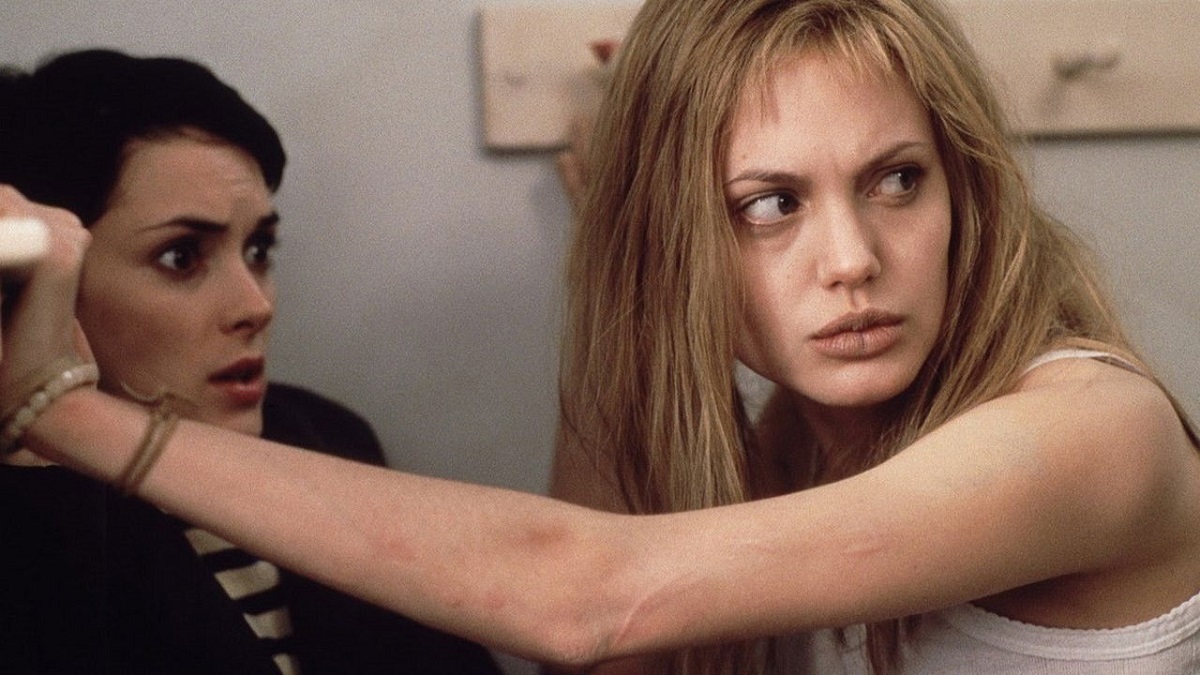
    When it comes to profound, character-driven psychological dramas, the 1999 cinematic masterpiece ‘Girl, Interrupted’ holds a special place in Hollywood history. Based on author Susanna Kaysen’s best-selling 1993 memoir, the film offers a raw, unfiltered, and deeply emotional look into the world of mental health treatment in the late 1960s. With powerhouse performances by Winona Ryder and a scene-stealing, Oscar-winning turn by Angelina Jolie, the movie remains a culturally significant piece of filmmaking.

    But beyond the intense performances and gripping narrative, the environment of the film plays a massive role in its storytelling. The suffocating yet beautifully historic backdrop of the “Claymoore” psychiatric hospital and the surrounding towns perfectly captures the turbulence of the era.

    If you have ever wondered how the filmmakers recreated the late 1960s or where the actual hospital corridors are located, you are in the right place. Here is a comprehensive deep dive into the plot, the real-life inspirations, and the breathtaking Pennsylvania filming locations that brought ‘Girl, Interrupted’ to life.

    The Premise: Inside the Walls of Claymoore

    The film chronicles the intense and chaotic 18 months Susanna Kaysen (played by Winona Ryder) spends in a psychiatric facility following a suicide attempt. Set against the backdrop of a rapidly changing America between 1967 and 1968, Susanna is diagnosed with borderline personality disorder and is swiftly whisked away to Claymoore, an upscale, private mental health facility.

    It is within the restrictive, sterile walls of Claymoore that Susanna’s true journey begins. She is introduced to a ward full of complex, misunderstood, and fascinating young women. Among them is Lisa Rowe (Angelina Jolie), a charismatic but deeply sociopathic rebel who commands the ward; Daisy Randone (Brittany Murphy), a sexually abused girl with an eating disorder; and Polly Clark (Elisabeth Moss), a burn victim.

    Through her interactions with these women, Susanna navigates the thin line between sanity and madness, ultimately forcing her to choose between losing herself in the rebellion of the ward or fighting to reclaim her life on the outside. Claymoore acts as both a prison and a sanctuary, making the physical location of the shoot absolutely critical to the movie’s tone.

    Why Pennsylvania? Setting the 1960s Stage

    To accurately reflect the grim yet historic atmosphere of a 1960s New England mental institution, the production team required locations with deep historical roots, authentic architecture, and a timeless aesthetic. They found exactly what they were looking for in the state of Pennsylvania.


    View this post on Instagram


    A post shared by Vide Cor Meum (@wrappedinaveil)

    Known as the Keystone State, Pennsylvania is built on a strong foundation of agriculture, industry, and a rich historical legacy. Because many of its towns and cities have preserved their centuries-old architecture, it is a highly sought-after destination for filmmakers looking to shoot period pieces.

    Principal photography for ‘Girl, Interrupted’ was an intensive process that reportedly began in January 1999 and officially wrapped up in April 1999. Over these four months, the crew traveled across various Pennsylvania counties to stitch together the fictional world of Claymoore and its surrounding towns.

    Filming Locations: Where Was ‘Girl, Interrupted’ Actually Shot?

    1. Harrisburg: The Heart of the Film

    A significant portion of ‘Girl, Interrupted’ was filmed in Harrisburg, the picturesque capital city of Pennsylvania. With a rich history spanning over 300 years and a scenic location on the banks of the Susquehanna River, Harrisburg offered a hauntingly beautiful, timeless backdrop. The city is celebrated for its deep historical contributions, ranging from the Westward Expansion to the Industrial Revolution.

    • Harrisburg State Hospital (The Real Claymoore): The most crucial location in the film is, of course, the hospital itself. The production team used the imposing Harrisburg State Hospital (formerly known as the Pennsylvania State Lunatic Hospital) to serve as the fictional Claymoore facility. Located at the intersection of Cameron and Maclay Streets, the hospital’s haunting, sprawling, and historic architecture provided the perfect claustrophobic yet grand aesthetic required for the film’s interior and exterior ward scenes.
    • Dr. Crumble’s House: Before Susanna is institutionalized, she visits a psychiatrist. The exterior of Dr. Crumble’s house was filmed at a historic property located at 2100 Chestnut Street in Harrisburg.
    • The Bridges and Cityscapes: The film features gorgeous transitional shots of the city. One notable scene features a vehicle driving over the State Street Bridge, offering viewers a distinct, real-world glimpse of the magnificent Pennsylvania State Capitol building in the background. Completed in 1906, the Capitol boasts a breathtaking Beaux-Arts style of architecture designed by Joseph Miller Huston. Additionally, the Market Street Bridge was utilized for other key scenic transitions.

    2. Mechanicsburg: A Step Back in Time

    To capture the quintessential, untouched essence of 1960s small-town America, the production team set up shop in the nearby borough of Mechanicsburg. This village was specifically chosen for its meticulously preserved antique construction.


    View this post on Instagram


    A post shared by darcy (@hott3nager)

    • The Ice Cream Parlor Scene: One of the most memorable off-campus moments happens when the girls visit a local parlor. This classic ice cream scene was filmed at 36 East Main Street in Mechanicsburg. At the time of filming, this location housed the famous Eckels Ice Cream Fountain. While the vintage dessert shop was a beloved local staple, it has unfortunately since closed its doors permanently.
    • The Vintage Pharmacy: An old-fashioned, historical drug store in Mechanicsburg, simply known locally for its timeless aesthetic, served as another key filming location. These highly authentic, practical sets eliminated the need for heavy studio alterations, making the 1968 setting feel incredibly lived-in and real.

    3. Lancaster and Beyond

    The production crew ventured even further into Pennsylvania to capture specific character moments and exterior shots.

    • Daisy’s House (Lancaster): The tragic storyline of Daisy (played brilliantly by Brittany Murphy) reaches its climax at her father’s newly purchased apartment. The location used for Daisy’s house is actually a private residence located at 218 North Pine Street in the historic city of Lancaster, Pennsylvania.
    • York County and Reading: The team also traveled to Hanover, located in York County (about 12 miles southwest of York), to shoot various B-roll and town scenes. Additionally, the Reading Public Museum, an important historical and cultural site located at 500 Museum Road in the town of Reading, was utilized during production. However, it is widely reported that the scenes filmed in this specific area ended up on the cutting room floor and were deleted from the final theatrical cut of the movie.

    The Enduring Legacy of the Locations

    ‘Girl, Interrupted’ is a cinematic triumph not just because of its brilliant script and legendary acting, but because of how deeply immersive its world is. By utilizing the real, historic corridors of the Harrisburg State Hospital and the untouched, vintage streets of Mechanicsburg and Lancaster, the filmmakers created a palpable sense of time and place.

    These Pennsylvania locations anchored the intense psychological drama in a very grounded reality. Today, the film stands as a fascinating time capsule—both of the turbulent 1960s it depicted and of the beautiful, historic American towns that helped bring Susanna Kaysen’s powerful story to the silver screen.

  • Know About ‘Kin’ Movie Filming Locations

    Know About ‘Kin’ Movie Filming Locations

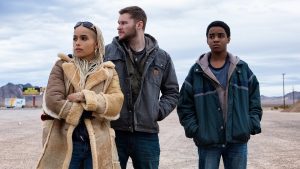
    If you are a fan of gritty, high-stakes television that keeps you on the edge of your seat, the Irish crime drama ‘Kin’ should be at the very top of your watchlist. Moving away from traditional Hollywood mob stories, this intense series offers a raw, unfiltered look into the lives of a modern Dublin family embroiled in a deadly gang feud.

    Created by the brilliant minds of Ciaran Donnelly and Peter McKenna, ‘Kin’ is not just a story about drugs and violence; it is a magnificent and tragic exploration of morally gray characters, unbreakable family bonds, betrayal, and the corrupting nature of greed. As the Kinsella family sinks deeper into the evil pit of the criminal underworld, they are forced to test whether blood truly is thicker than water.

    But beyond the gripping narrative and stellar performances, viewers are often left wondering: Is this terrifying drama based on real events? And where do they find those striking, atmospheric backdrops that make the show feel so authentic? Here is everything you need to know about the world of ‘Kin’ and its fascinating filming locations.

    The Premise: The Kinsella Family’s Dark Descent

    At the heart of ‘Kin’ is the Kinsella family, a tight-knit but relatively small-time crime syndicate operating in Dublin. The narrative kicks into high gear when a sudden, tragic incident ignites an all-out war between the Kinsellas and a powerful, international drug cartel led by the ruthless Eamon Cunningham.

    Outgunned, out-financed, and seemingly outmatched, the Kinsellas must barricade themselves within their Dublin stronghold and rely on their wits, loyalty, and sheer desperation to survive.

    What makes the series truly rock, however, is its powerhouse ensemble cast. Delivering lively, terrifying, and deeply emotional performances, the cast includes:

    • Charlie Cox (famous for Daredevil) as Michael Kinsella, a man trying to reconnect with his family after a stint in prison.
    • Clare Dunne as Amanda Kinsella, the fierce and intelligent matriarch figure who undergoes a massive transformation.
    • Aidan Gillen (Game of Thrones) as Frank Kinsella, the conflicted head of the family.
    • Emmett J. Scanlan as Jimmy Kinsella, the hot-headed and unpredictable brother.
    • Maria Doyle Kennedy as Bridget “Birdy” Goggins, the sharp and calculating aunt.

    Together, they weave a compelling story that is less about the glamorization of crime and more about the devastating psychological toll it takes on the people involved.

    Is ‘Kin’ Based on a True Story?

    One of the most frequent questions fans ask when diving into this fun yet terrifying family drama is whether there is any “real grain” to the story. While ‘Kin’ is technically a work of fiction, it draws heavy inspiration from real-world events.

    The series heavily parallels the notorious, real-life feud between the Kinahan and Hutch cartels—a violent and bloody gang war that made international headlines and deeply affected the city of Dublin in the 2010s. The creators, Peter McKenna and Ciaran Donnelly, absorbed the atmosphere, the news reports, and the palpable tension of that era to craft a narrative that feels terrifyingly authentic. By anchoring the fictional Kinsella family in the very real socio-economic landscape of modern Ireland, the writers created a story that feels uncomfortably close to home for many locals.

    Filming Locations: Where Was ‘Kin’ Actually Filmed?

    When dealing with a story so deeply rooted in Irish culture and modern true-crime lore, authenticity is paramount. Because the series explicitly focuses on a family that dives deep into the crime pits of Dublin, the creators made the crucial decision to shoot the series entirely on location.

    ‘Kin’ is completely recorded in Ireland, with the vast majority of production taking place in and around Dublin.

    By choosing not to film on soundstages in other countries, the production team was able to utilize local staff, Irish broadcast professionals, and the city’s unique architecture to bring the story to life.

    Kin

    The Production Timeline

    Filming a television show in the middle of a global pandemic was no small feat. Despite the logistical hurdles, the dedicated cast and crew managed to successfully shoot the series with strict safety protocols in place. The principal photography and recording for the highly anticipated first season officially wrapped up in the last week of February 2021, a milestone proudly celebrated by series star Clare Dunne on her Instagram account.

    Spotlight on Dublin: The Gritty Heart of the Series

    Dublin—the vibrant capital of the island nation of Ireland—acts as much more than just a backdrop in ‘Kin’; it is a living, breathing character in its own right. The entire series was recorded in Dublin’s city center and its sprawling suburbs, capturing the duality of the city.

    The production team actively sought out both the most prominent, historic places in the city and the lesser-known, gritty industrial corners to reflect the massive wealth gap within the criminal underworld. Here is how Dublin is utilized in the show:

    • Modern Wealth vs. Suburban Grit: The show deliberately contrasts the sleek, modern penthouses and affluent areas of the Cunningham cartel with the more grounded, suburban homes of the Kinsellas. You will often see sweeping shots of the modern Dublin skyline, including the iconic Aviva Stadium, highlighting the city’s rapid development.
    • A Cinematic Legacy: Dublin has a long and incredibly fertile history as a cinematic hub. This is a city that birthed literary giants like Oscar Wilde and William Butler Yeats, and it has hosted filmmakers from all over the world. The same streets that the Kinsellas roam have been featured in a multitude of prestigious productions, ranging from Mel Gibson’s iconic historical epic ‘Braveheart’ to Stanley Kubrick’s visual masterpiece ‘Barry Lyndon’.
    • The Atmospheric Tone: By filming on location, the cinematographers captured the natural, often gray and moody lighting of the Irish weather. This natural gloom perfectly complements the morally gray characters and the heavy, oppressive atmosphere of a family trapped in a war they might not survive.

    A Masterclass in Irish Storytelling

    ‘Kin’ proves that you don’t need a sprawling, multi-country production to create a world-class television series. By grounding its thrilling narrative in the real streets of Dublin and drawing inspiration from the very real shadows of Ireland’s criminal history, the show delivers an experience that is both intensely local and universally appealing.

    Whether you are watching for Charlie Cox’s intense, brooding performance, Clare Dunne’s phenomenal character arc, or simply to take in the moody, stunning visuals of Dublin, Ireland, ‘Kin’ is a spectacular achievement in modern crime television. It stands as a testament to the fact that when family, greed, and survival collide, the resulting explosion is impossible to look away from.

  • Know About Interview with the Vampire Movie Filming Locations

    Know About Interview with the Vampire Movie Filming Locations

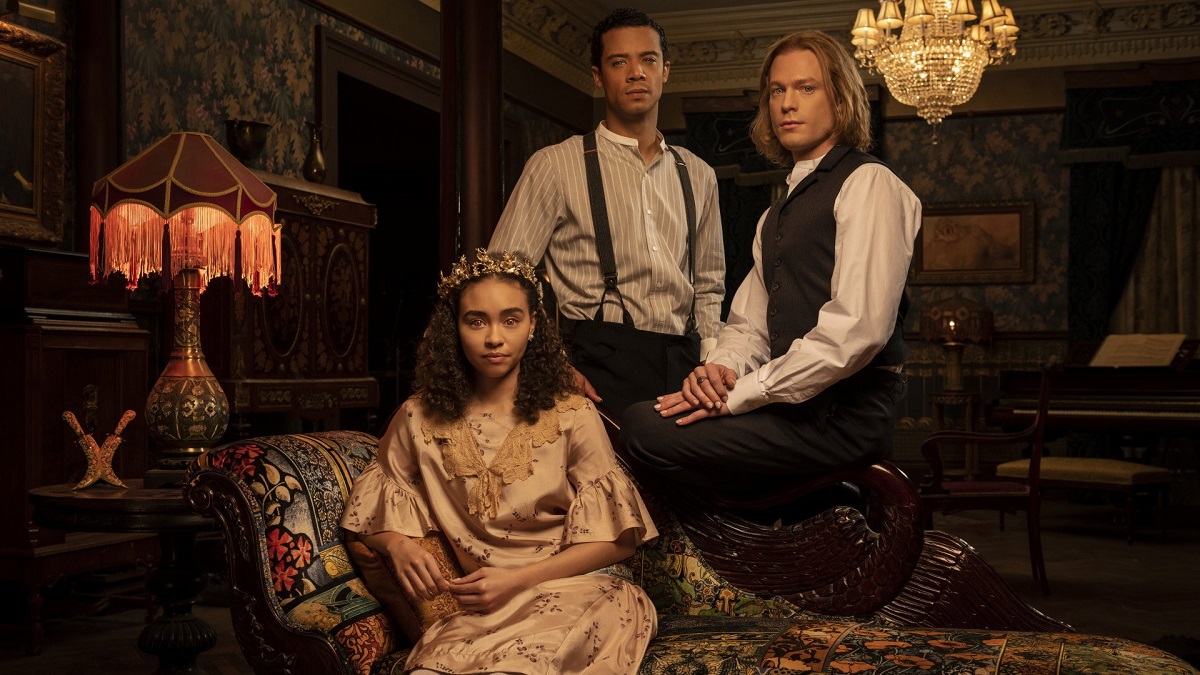
    When it comes to gothic cinema, few films have left as indelible a mark as the 1994 masterpiece, ‘Interview with the Vampire’. Based on the beloved 1976 novel of the same name by Anne Rice, this visually stunning adaptation redefined the vampire genre for a modern audience. Featuring a powerhouse cast led by Tom Cruise and Brad Pitt, the movie is a sweeping, melancholic, and deeply atmospheric tale that spans centuries and continents.

    But beyond the stellar performances and the hauntingly beautiful narrative, the film is legendary for its breathtaking production design and carefully selected filming locations. From the humid, mysterious swamps of Louisiana to the historic streets of Paris and the gloomy studios of London, the settings of the film are characters in their own right.

    If you are a fan of this classic horror-drama and have ever wondered where its most iconic scenes were brought to life, you are in the right place. Here is a comprehensive dive into the story, the making of the film, and the real-world locations that built the darkly beautiful world of ‘Interview with the Vampire’.

    The Premise: A Tale of Immortality, Grief, and Darkness

    To truly appreciate the locations, one must first understand the emotional depth of the story. The film opens in modern-day San Francisco, where a 200-year-old vampire named Louis de Pointe du Lac (played by Brad Pitt) recounts his tragic life story to a skeptical journalist, Daniel Molloy (Christian Slater).

    The narrative transports us back to the late 18th century in Spanish Louisiana. Contrary to some misconceptions, Louis is not a king; he is a wealthy but deeply grieving plantation owner mourning the devastating loss of his wife and child. Consumed by sorrow and possessing a death wish, Louis’s life takes a dark turn when he encounters the charismatic, ruthless, and flamboyant vampire, Lestat de Lioncourt (Tom Cruise).

    Lestat offers Louis an alternative to his agonizing human existence: the “Dark Gift” of immortality. However, Louis soon realizes that eternal life comes at a terrible price. Unable to shed his human morality, Louis struggles with the monstrous necessity of killing to survive. Their toxic, centuries-long dynamic becomes even more complicated with the introduction of Claudia (Kirsten Dunst), a young girl they turn into a vampire to form a twisted, immortal family.

    Set initially in 1791, the film uses a magnificent array of practical sets and real-world locations to arouse our curiosity and immerse us in the passage of time.

    The Filming Timeline and Production Design

    Bringing Anne Rice’s expansive vision to the big screen was a monumental task. The principal photography for ‘Interview with the Vampire’ reportedly began on October 18, 1993, and wrapped up after five grueling months on March 15, 1994.

    To capture the distinct eras—from 18th-century Louisiana to 19th-century Europe and 1990s America—the production spanned several countries, including the USA, France, and England. The brilliant production designer Dante Ferretti was tasked with creating the lavish, gothic aesthetics that would ultimately define the film.

    Filming Locations: Where Was the Movie Shot?

    1. Louisiana, USA: The Heart of the Southern Gothic

    The sprawling, moss-draped landscapes of Louisiana serve as the emotional and visual foundation of the film. To achieve a historically accurate vision of 18th and early 19th-century New Orleans, the production team utilized both real locations and masterfully constructed sets.

    • New Orleans & The French Quarter: A significant portion of the film was shot directly in New Orleans. The crew filmed in the iconic French Quarter and built a deliberate, historically accurate set along the banks of the Mississippi River to recreate the bustling port city of the 1700s.
    • Destrehan and Oak Alley Plantations: To create Louis’s sprawling, wealthy estate, the filmmakers combined the distinct features of two famous historical sites. They used the exterior of the Destrehan Plantation (a historic mansion in Destrehan, Louisiana) and seamlessly blended it with the breathtaking, oak-lined avenues of the Oak Alley Plantation, located at 3645 Highway 18 in Vacherie.
    • Lafayette Cemetery No. 1: For the eerie, gothic graveyard scenes, the crew filmed at the famous Lafayette Cemetery No. 1, located at 1400 Washington Avenue in New Orleans.
    • Other Louisiana Locations: Additional exterior and landscape shots were captured in Shreveport and Laurel Valley in Thibodaux, giving the film its authentic, humid Southern atmosphere.

    2. California, USA: The Modern-Day Interview

    While the bulk of the film is a period piece, the framing narrative takes place in modern-day California. San Francisco provides the grim, urban contrast to the romanticized past of New Orleans.

    • The Golden Gate Bridge: Several atmospheric scenes were shot in and around San Francisco, prominently featuring the iconic Golden Gate Bridge to establish the modern timeline.
    • The St. Martin Hotel: The actual interview between Louis and the journalist takes place in a dingy room at the fictional St. Martin Hotel. The exterior of this hotel was filmed at the busy intersection of Taylor Street, Market Street, and Golden Gate Avenue. Interestingly, the real-world location used for the ground level was a popular local joint called Show Dogs Fine Sausages (located at 1020 Market Street), though it has since permanently closed.

    3. France: The Search for Old World Vampires

    When Louis and Claudia flee America in search of others of their kind, their journey brings them to the “City of Love”—Paris, France. The European locations added a layer of grand, classical architecture to the film.

    • Palais Garnier (Opéra National de Paris): To capture the lavish arrival of Louis and Claudia at their luxurious Parisian hotel, the filmmakers used the magnificent exterior and grand reception area of the Palais Garnier. Located at 8 rue Scribe, this opera house is a stunning example of 19th-century Beaux-Arts architecture.
    • Palais-Royal and Rue de Rivoli: Several atmospheric Parisian street scenes were filmed around the Palais-Royal (a former royal palace in the 1st arrondissement) and the Rue de Rivoli, grounding the vampires’ Old World travels in striking historical reality.

    4. England: The Gloom of the Studios and Brad Pitt’s Misery

    While Paris provided the exteriors, the intense, dark, and theatrical interiors of the European act were actually filmed in London, England. This portion of the shoot is famously remembered for the toll it took on the cast.

    • Pinewood Studios: The sinister and extravagant Théâtre des Vampires—where the European coven puts on their deadly shows—was constructed on the famous Albert R. Broccoli 007 Stage at Pinewood Studios in Iver Heath (just west of London). Production designer Dante Ferretti completely transformed the massive stage into a terrifying, multi-level underground lair.
    • London Locations: St Paul’s Church on Deptford High Street was cleverly used to double as the interior of a New Orleans church. The crew also traveled to Whitechapel in East London and filmed at Wilton’s Music Hall on Ensign Street. Additional outdoor park scenes were shot at Marble Hill Park in Richmond.
    • “Six Months in the Dark”: The London shoot was famously difficult for Brad Pitt. The strict night shoots and the gloomy London winter meant Pitt rarely saw the sun. He later admitted that he was deeply depressed during this period, famously calling it “Six months in the dark.” The oppressive environment took such a toll on him that he actually tried to break his contract, only to be deterred by the exorbitant $40 million penalty fee. Ironically, this real-life misery perfectly translated into Louis’s on-screen melancholic and tortured demeanor.

    A Cinematic Masterpiece Carved from Stone and Shadow

    The world of ‘Interview with the Vampire’ is a masterclass in world-building. By blending the historical authenticity of Louisiana’s plantations with the classical grandeur of Paris, the urban decay of San Francisco, and the meticulously crafted studio sets of London, the filmmakers created a vampire movie unlike any other.

    The locations did more than just provide a backdrop; they anchored the fantastical, supernatural elements of Anne Rice’s novel in a grounded, tangible reality. Today, fans can still visit many of these iconic spots—from the Oak Alley Plantation to the streets of Paris—and step directly into the hauntingly beautiful world of Louis and Lestat.

  • Know About ‘An Unfinished Life’ Movie Filming Locations

    Know About ‘An Unfinished Life’ Movie Filming Locations

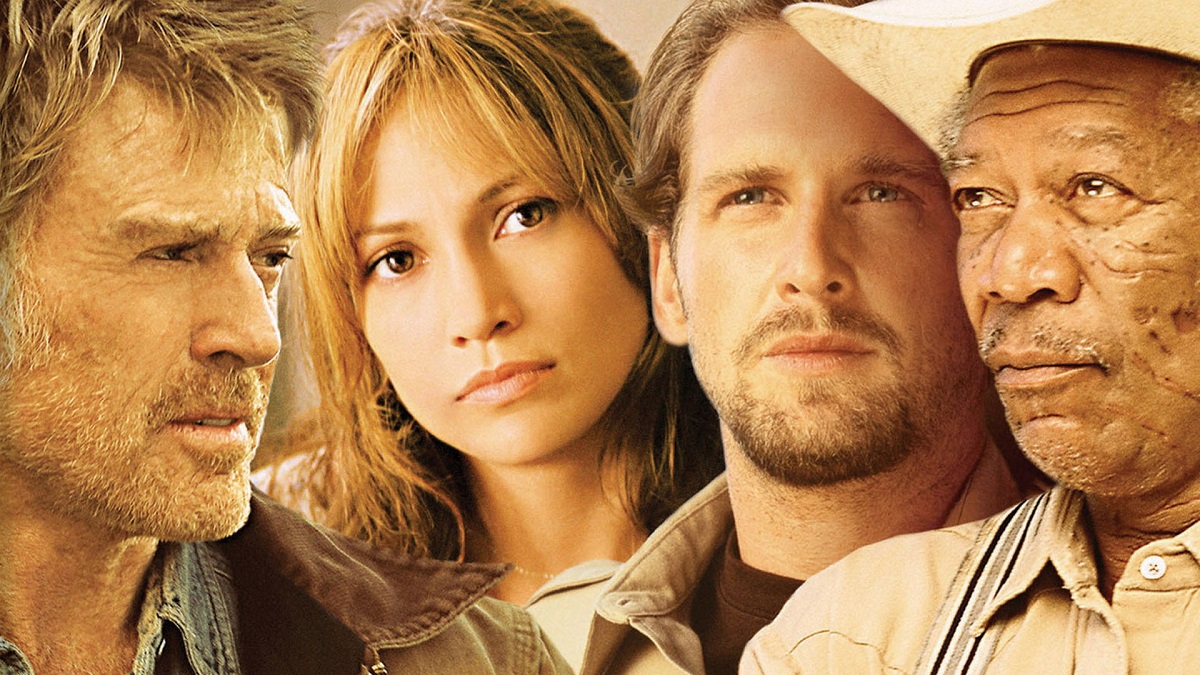
    An Unfinished Life.” Swedish film director Lasse Hallström brings a poignant and moving story to the life of the 2005 film masterpiece westward ‘An Unfinished Life.’ the story revolves around farmer Einar, whose life takes an unexpected turn as his daughter-in-law appears in front of his door and his granddaughter knows nothing about him. The compelling history of a close-knit family is often felt at times but packs the moments of strong emotions influencing fans.

    With A-listers like Jennifer Lopez, Robert Redford, and Morgan Freeman in charge of the acting department, the movie is definitely a star-studded story. Most of the story comes from a farm in Rundown in Wyoming, and it is natural to wonder if that was a movie theater. Know about An Unfinished Life movie.

    An Unfinished Life Movie Filming Locations

    ‘An Unfinished Life’ was completely recorded in Canada, especially Alberta and British Columbia. The filming of the movie began on April 21, 2003, and is said to be wrapped up at the end of the year. The movie narrative is set in the sparsely populated Wyoming region, home of Yellowstone National Park. Also known as “Cowboy Region,” Wyoming serves as an ideal setting for a dusty and dignified drama.

    However, actors and actors have chosen to record the movie in neighboring Canada because of the many benefits the country promotes through its cinematic products. The country exhibits a wide range of plains suitable for recording and an army of skilled professionals with expertise in high-tech technology. In addition, the government-sponsored tax-paying system works as a breakthrough in the ever-growing film industry in the country. 

    Vancouver, British Columbia Location

    In addition, some interior scenes have been shot at the coastal port of Vancouver in western Canada, one of the most diverse cities in the country, apart from being one of the most populous. Thanks to the region’s cool climate, natural resources, and the availability of skilled workers, the city has become home to a thriving film industry since the 21st century.

    Known as the “Northern Hollywood,” Vancouver has a variety of film studios, many of which are updated with the latest technology. From ‘I, Robot’ to ‘Apollo 11,’ many blockbuster movies were recorded in the city.

    Thompson Country, British Columbia Location

    The An Unfinished Life story of the film is set in and around a collapsing farm outside Ishawooa, Wyoming. However, much of the sequence was recorded in Kamloops and its vicinity, the largest city in the south-central part of British Columbia. The town is located at the confluence of rivers in the South of North Thompson, in the Thompson-Nicola district.

    An Unfinished Life

    Apparently, Ishawooa Creek was replaced by the Thompson River in the movie. Workers set up camps at the western end of Kamloops Lake to facilitate recording. Due to the nature of the scenes, they could not be recorded inside the city. In search of greener pastures, the product moved to Savona, a small community west of the lake, to record some important sequences. In addition, some scenes were filmed west of Ashcroft, a sleepy town some 20 miles [30 km] downstream from Kamloops Lake, in the same region.

    Alberta Location

    An Unfinished Life, The director also took actors and staff to Canada’s neighboring Alberta province to film a few of the required sequences. Some scenes were filmed in Medicine Hat and suburbs, a town near Cypress County in the southeastern state of the province.

    If you plan to visit the city anytime soon, be sure to visit the Clay History District and the spectacular trails of the park. Finally, a few scenes were recorded in the beautiful Burdett area, about 40 miles [71 km] west of Medicine Hat.

  • Know About The Voyeurs Movie Filming Locations

    Know About The Voyeurs Movie Filming Locations

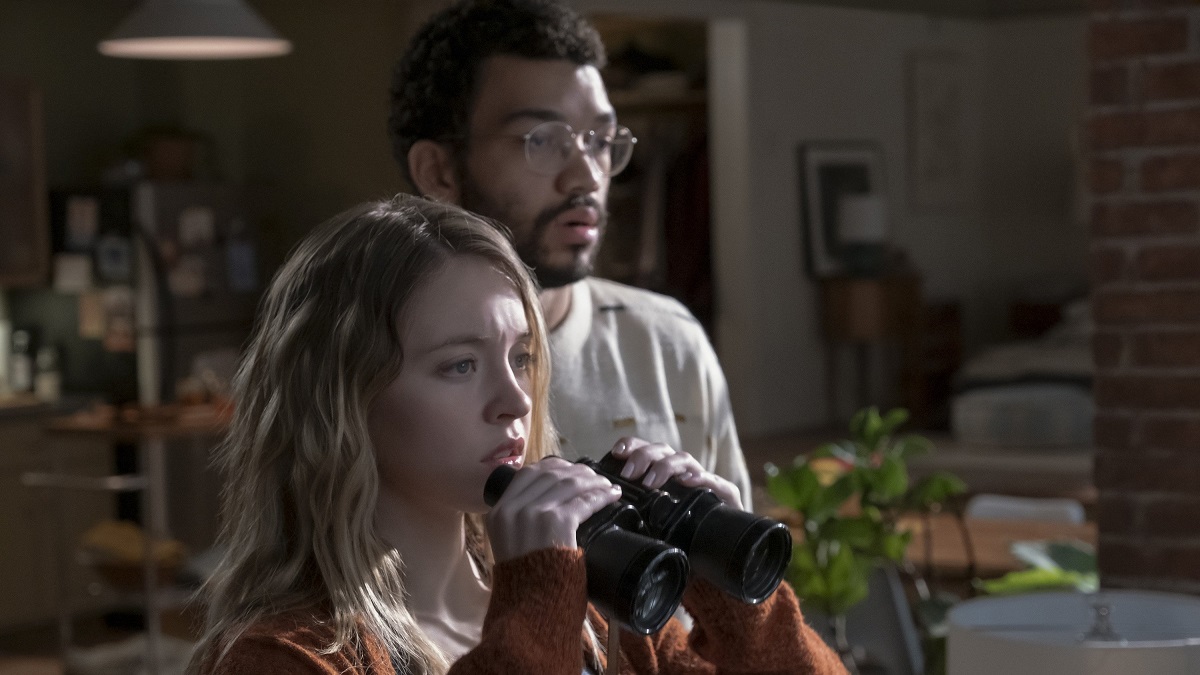
    ‘The Voyeurs’ is a thrilling and exciting film about the lives of two neighboring couples. Sydney Sweeney plays Pippa as she fights with Justice Smith in the role of Thomas, the protagonist of the story. Thomas and Pippa moved to their dream condo in an upscale setting and grew up interested in their kinky and warm neighbors living across the street.

    A small voyeur does not cause damage, but the story deepens as their interest draws closer to the larger trend. As they continued exploring, they came to know the terrible truths about their neighbor Som. The movie is from an urban setting, but you may want to know where the movie is being filmed. Know about The Voyeurs movie.

    The Voyeurs Movie Filming Locations

    ‘The Voyeurs’ was recorded in parts of Canada and the suburbs, especially in Quebec. The filming of the film began in October 2019 and was wrapped up shortly thereafter. Thanks to its vast repository of urban and ecosystems, Canada is a fertile ground for television and television projects. The Canadian Production Tax Credit (CPTC) system provides a 25% tax credit on eligible service costs. In addition, the large number of skilled workers in the region makes things easier for filmmakers and producers. Now let’s take you to some places where the film was shot!

    Montreal, Quebec Location

    The Voyeurs movie was filmed in and around Montreal, the largest city and cultural capital of the Canadian province of Quebec. In The Voyeurs movie, the couple is relocated to an apartment in downtown Montreal, and this is where the director chooses to take scenes. Workers seem to find access to the roof of the city of Montreal to record many sequences. Many narratives take place in the interior, and the lighting department has done a good job of making these places stand out with the goal of comparison.


    View this post on Instagram


    A post shared by Awards Radar (@awardsradar)

    In a humorous development, Sydney Sweeney’s grandmothers, Sherry and Velda, came to meet her organized, and she made them look like more in the movie. According to reports, her grandmothers are at the scene posing for Sweeney’s NSFW photo! There were reportedly times when Sweeney asked his family members to close their eyes and ears. Thankfully, Smith’s mother was also present, and she did her part by not looking.


    View this post on Instagram


    A post shared by Prime Video France (@primevideofr)

    Montreal is famous for its food, nightlife, indie music venues, colorful festivals, and art galleries. Still, not many people realize that the city is also a popular movie theater from many ancient movies. Many famous brands were shot in Montreal, from Steven Spielberg’s ‘Catch Me If You Can’ to Martin Scorsese’s ‘The Aviator.’ The Montreal sky has remarkable features and can be doubled like other cities.